
FIRMLY ROOTED
WORDS BY ABI SLONE
ART BY MULTIPLE ARTISTS
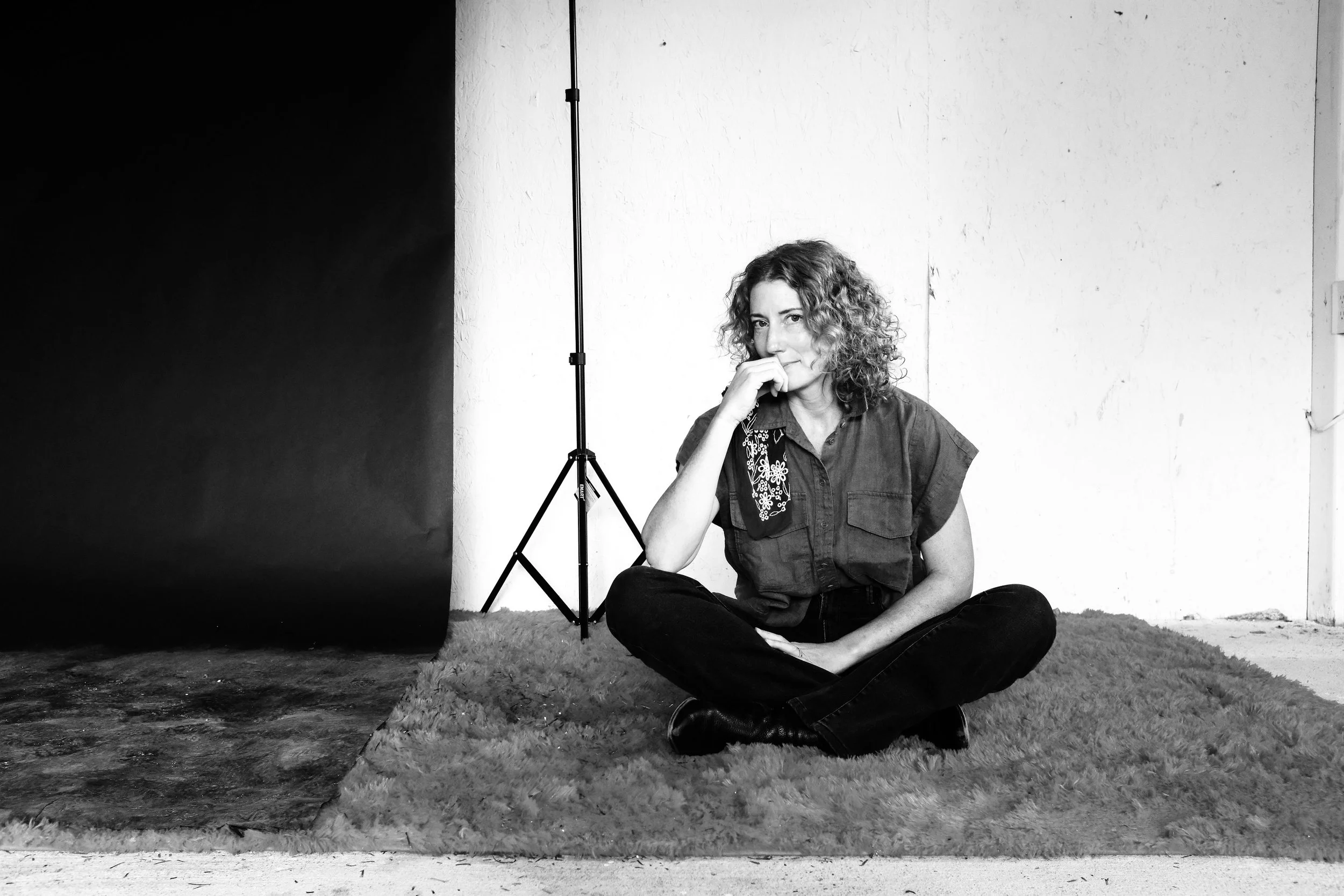
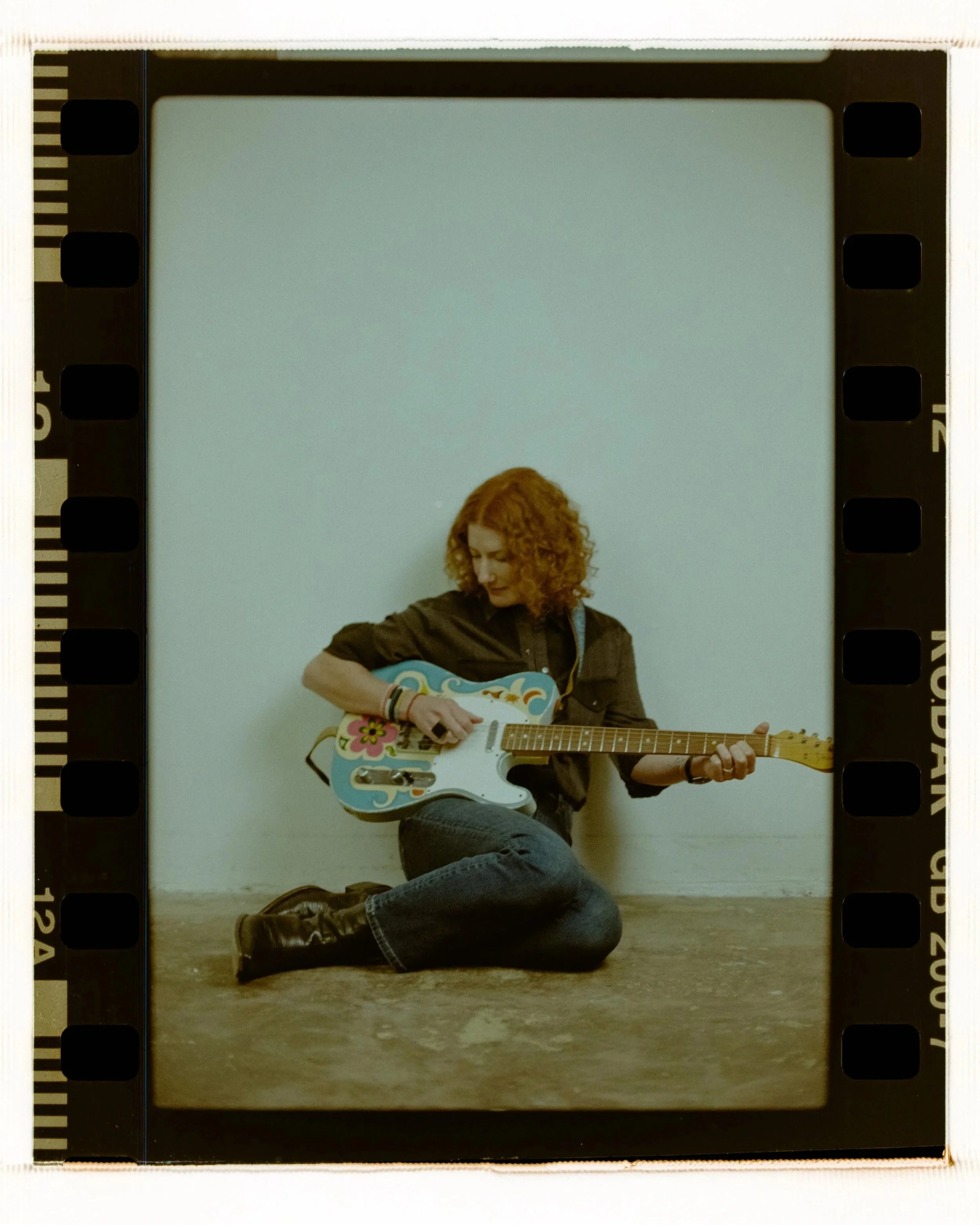
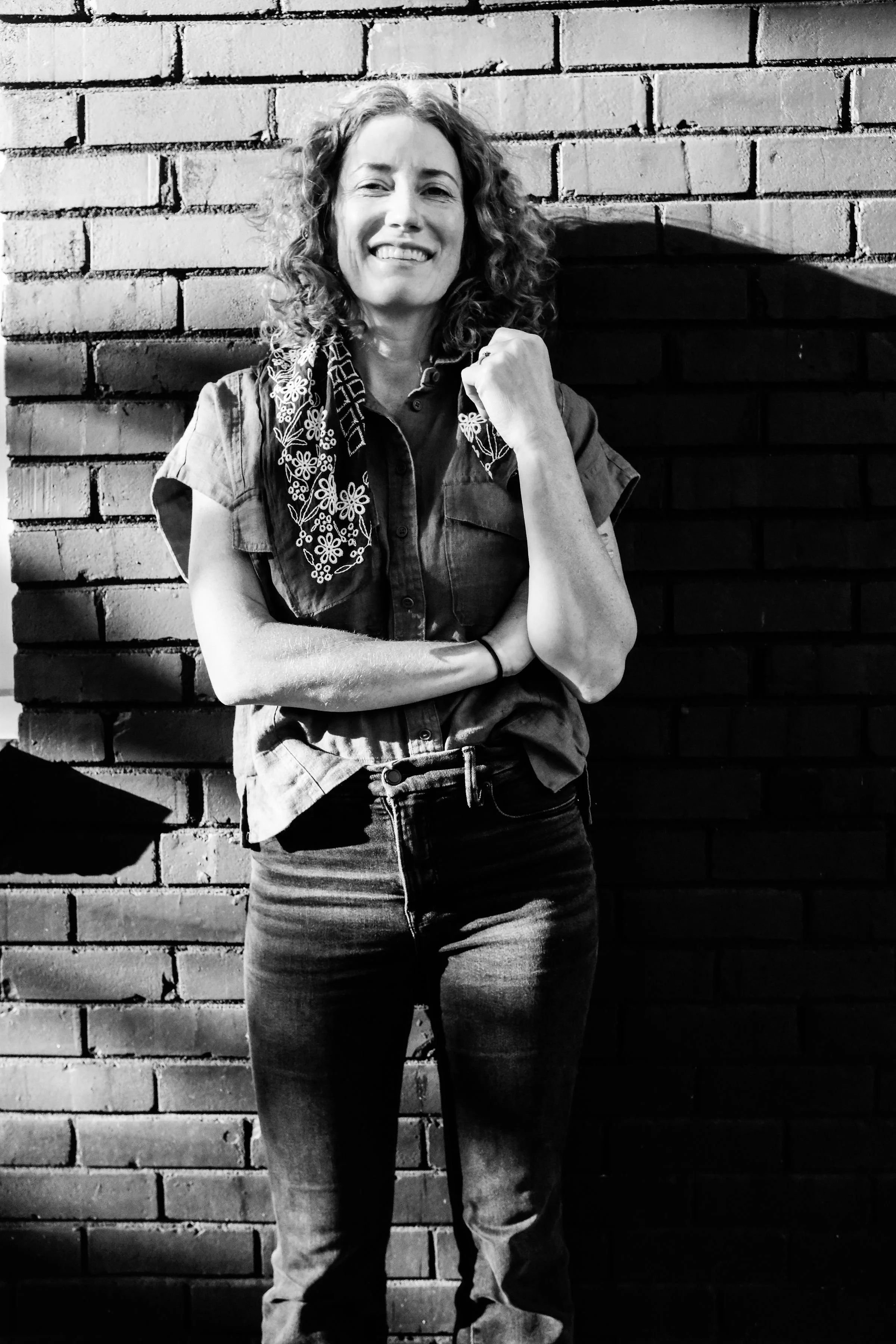
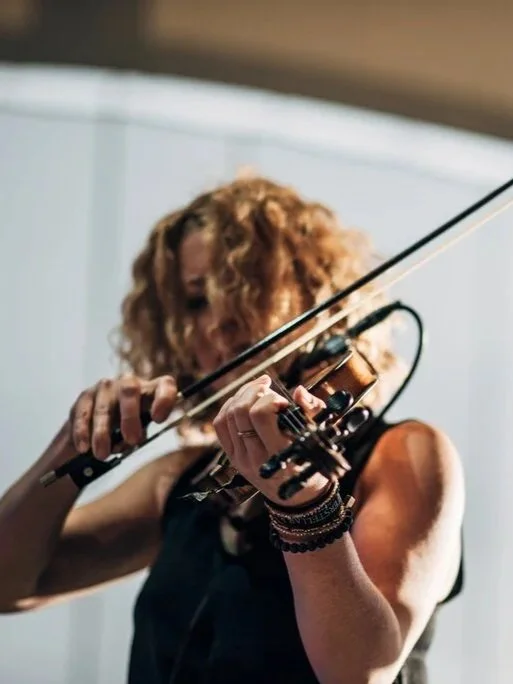
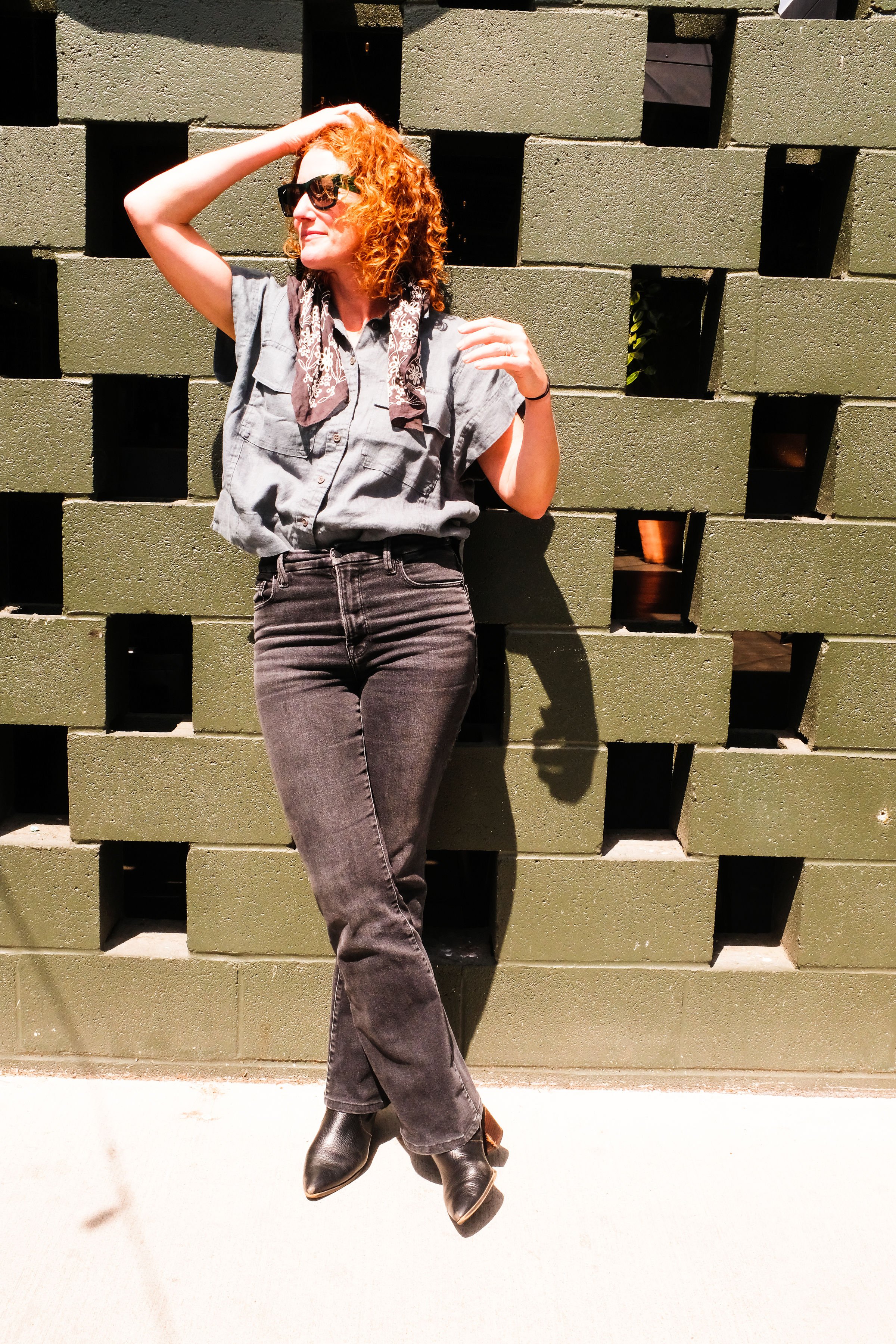
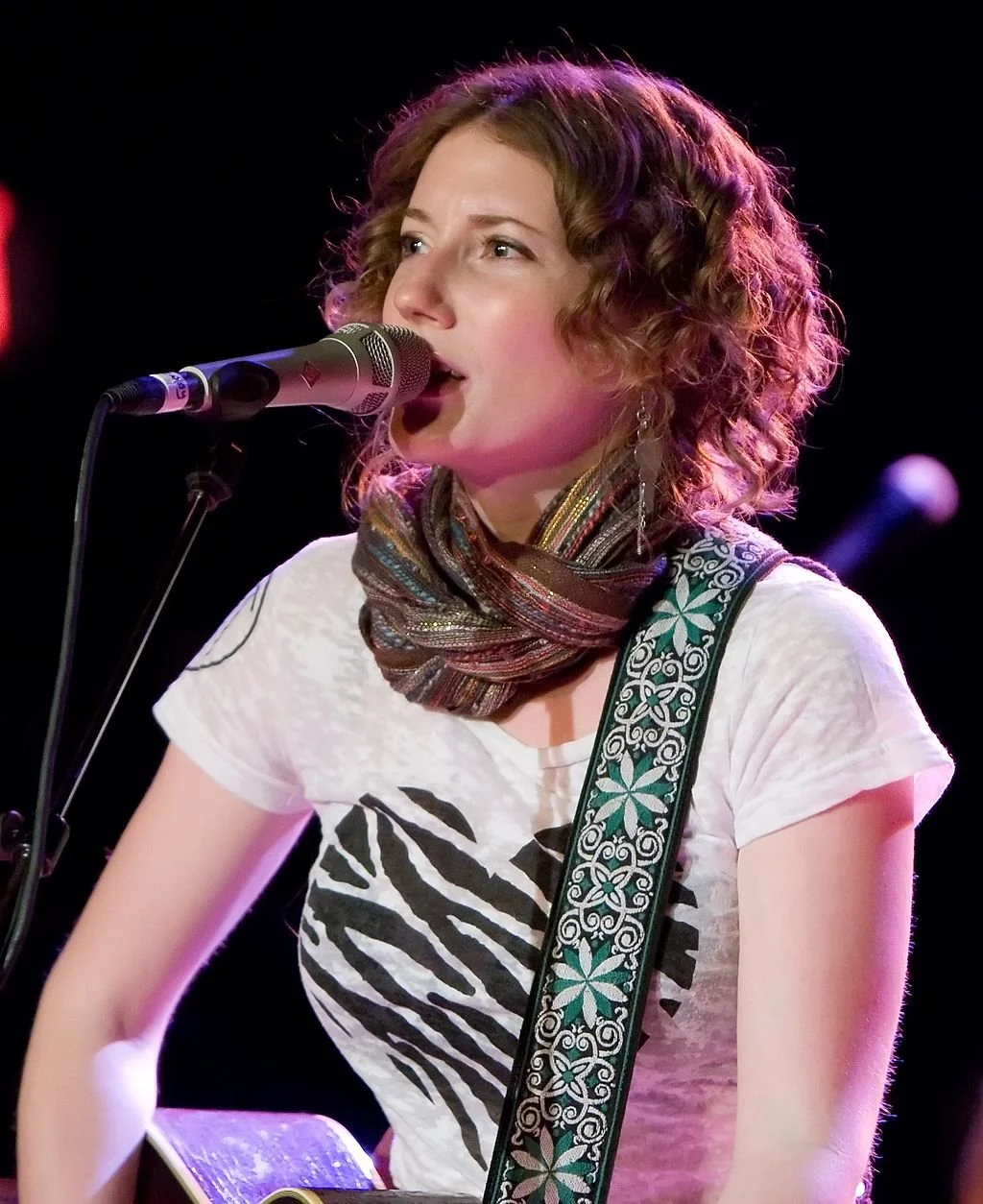
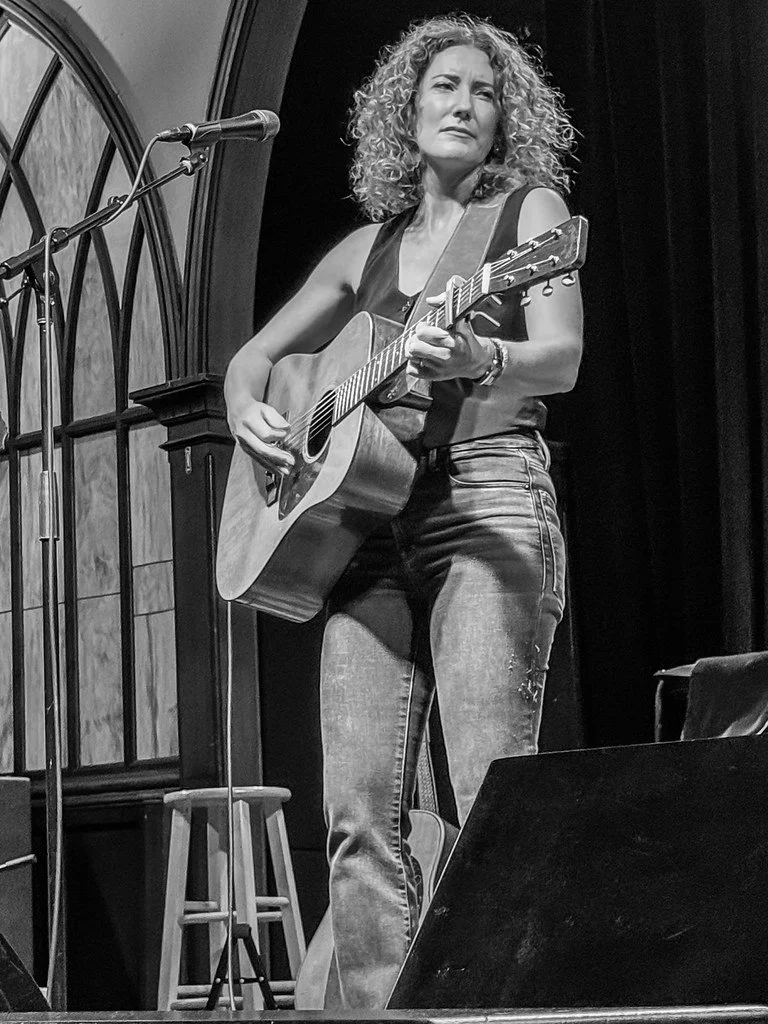
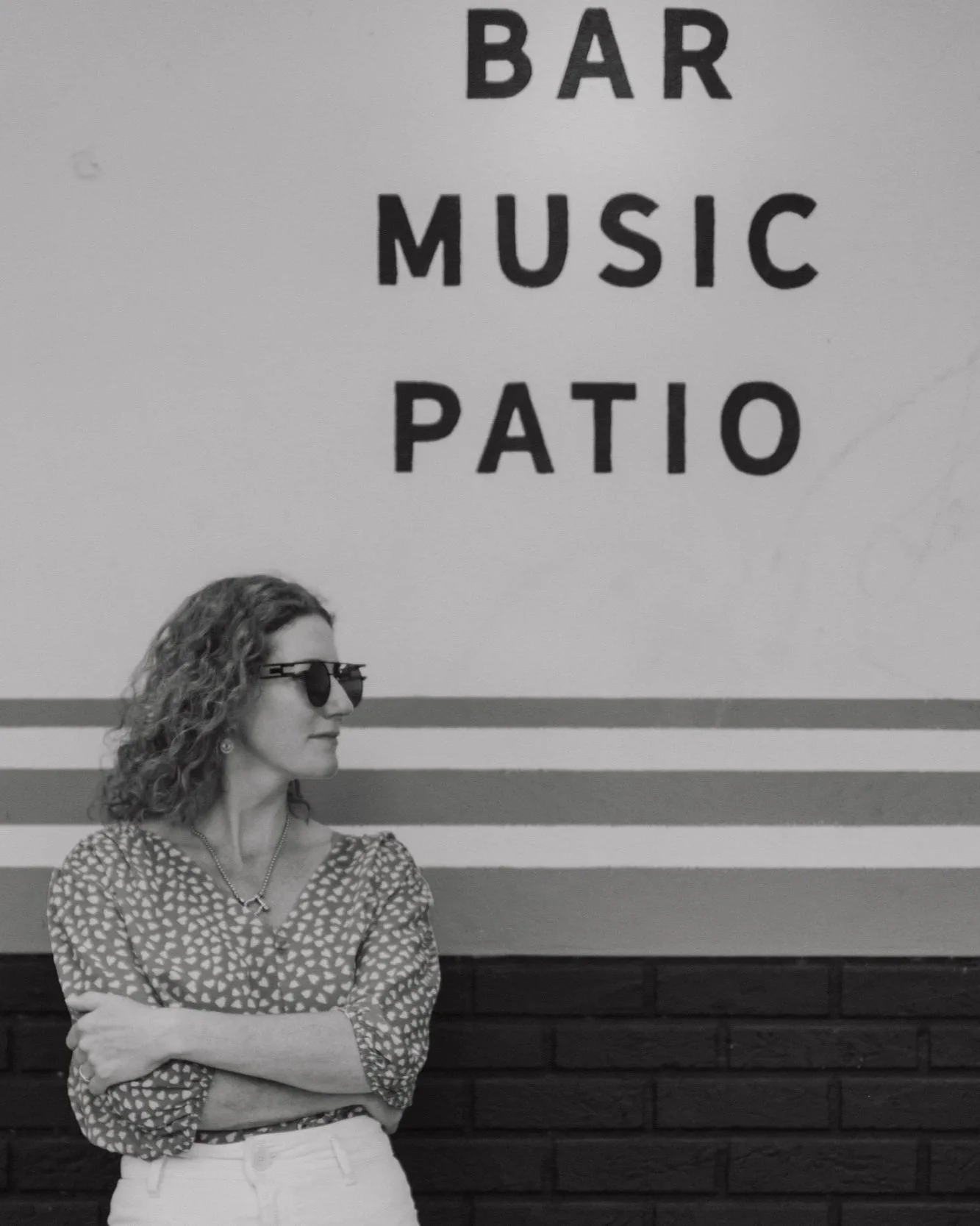
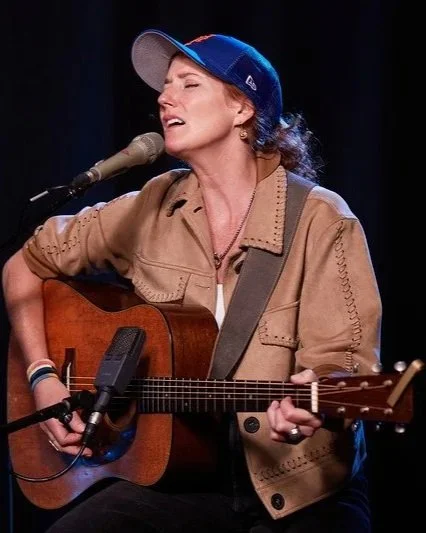
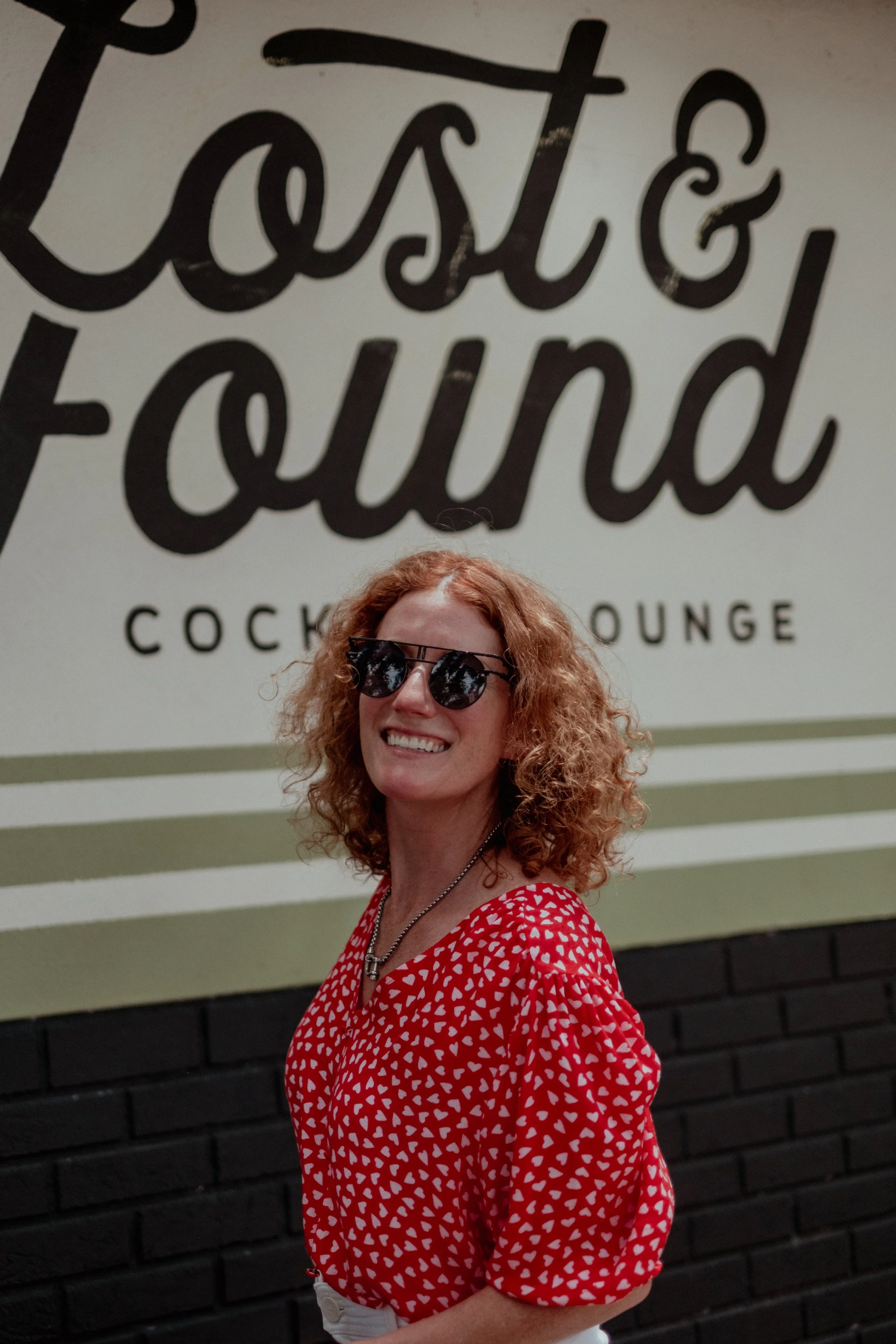
Photo credits from top: Kate York Photography; Mike Dunn; Kate York Photography; Levi Manchak; Kate York Photography; John Benson; Michael Kerick; Riley McKenna; Gus Philippas; Riley McKenna
It’s an interesting thing, talking to a woman whose music sounds like home and whose everything feels like people you’ve known. A gifted storyteller, Kathleen Edwards’ most recent album Billionaire is just as genius as her previous album Total Freedom, which was her re-entry into music after a ten-year hiatus during which she owned and ran a coffee shop called Quitters Coffee in Stittsville, Ontario. Her music, like her, feels like an old friend, a place to breathe, a place to catch your breath and a place to exhale.
THE CRONING: What was it like to return to music? You left with intention, had a whole other project with intention, and then came back to music with intention. How did you come to music differently than when you first arrived at it?
KATHLEEN EDWARDS: Well, the first time around, I knew nothing and I had no experience to draw from. Everything was a first. And when I came back… starting the process of writing songs again was liberating because I didn’t feel that there were any rules weighing me down. I wasn’t following up a previous release with a new batch of songs. I had almost ten years of this clean slate, and I had no manager, so there was no ‘How is this going? How is this going to be promoted? Where will I play this? Will I play this with a band?’ None of those things were in my mind when I was writing, and that was really freeing.
I felt like I was making my first record as an adult, with all this historical knowledge behind me, so I was a little less unsure of myself. I wouldn’t say that all the songs on Total Freedom are my best work. But I’m really proud of them because they were songs that I made in that moment of time. It was about not worrying about where they would end up. And that was, quote, unquote, total freedom.
TC: Were you still playing music even though you had taken a formal break and were running a coffee shop?
KE: I would get asked to do a thing here or there, but there was no pressure, and they were one-offs. There were times where I played a few little pop-up shows in my coffee shop. The one thing that was really different was that my business was seven days a week. It was so full-time, it was full-time plus three part-time jobs. And so the playing music part… I had to really want to do it, because to make time for it was hard. What I came to realize was that I couldn’t do both. It was way too much.
But when I was trying to keep both going, and when Total Freedom came out I still owned my coffee shop, it wasn’t convenient. It was quite inconvenient. I felt over stretched but it reminded me how much I wanted to dedicate time to music, full time. It comes with commitments and sacrifices and a lot of uncertainty, but so does owning a small business. Being forced to do both and try and juggle them made me realize how much I actually just wanted to do music and how much better it would be and how much more I would enjoy it.
TC: Is there ever a time where you don’t feel over-stretched?
KE: I would say that the one thing that age has given me is some tools in the toolbox that I didn’t have 10 or 15, years ago. There are many days I feel overstretched, and then I stop and go, ‘Okay, you’re either trying to do too much in one day or you’re thinking too far ahead. And so the things that are just on your plate, that are manageable today, are being overwhelmed by the long list and the shortlist, the five-year plan, the three-year plan. Those things are interrupting your capacity to feel like you’re doing a manageable amount today.’
And then I have moments where I’m very anxious. I find the transition of going out on the road and coming home difficult. It’s not because I don’t like them both, it’s because transition is hard. It’s hard to be settled in a place and then pack up your bags, know exactly what you’re going to need and do it over and over. You always forget something, and that anxiety of preparing to be prepared for another type of lifestyle is challenging. When I come home, I feel very agitated — I’m not a great spouse, I’m not a great daughter. I just want to be left alone for two days and slow down from being that mouse on the little wheel and realize I’m no longer moving at that epic pace.
TC: As someone who travels extensively for pleasure but works while I travel, re-entry does require time to settle in — whether that’s re-entry to the place you call home, or re-entry to the road. Do you find that you travel differently than you used to? Have you adopted a ‘Screw it. Everything will be fine. Things will work out. If I forget something, it’s not a big deal.’ Or did you need less creature comfort before?
KE: I pack way more stuff now than I used to, and I don’t care if I have two suitcases, and they’re heavy. I just need to know that I have a backup plan in an extra suitcase. One of the things is the pre-show routine where you put something on and figure out if it makes you feel good, if it’s ‘you’, if it’s the way you want to present yourself. I was never a style-forward person. I knew what I liked and what I didn’t like, but I never had people helping me with my makeup and my clothes and my hair and showing me how to look a bit more polished. And I don’t regret that. It’s just some days you kind of look around the room and realize, ‘Oh, those people have glam squads I should maybe put more effort into this.’ So having an outfit that really makes you feel like you’re ready to get on stage, even if it’s fucking jeans and a t-shirt, that’s part of the routine.
I used to have a lot of food anxiety on the road. In the first couple of years, I lost a lot of weight because I was so tired of everyone just grabbing whatever they could in the moment. And usually that was just shitty food, fast food, and I won’t eat it so I’ll wait. I used to be anxious about that, but I’ve learned I’m not gonna fucking die if I don’t eat something in the next hour, and I will get a good meal, maybe tomorrow. So, I have less anxiety about things that used to rattle me.
TC: Does that apply in other places? The waiting for good things to come, or understanding that good things will come?
KE: Oh, that’s a really great metaphor for the big picture. I think one of the things I do still remind myself is that just because I have been working on a project for a year or two doesn’t mean that everyone knows it, and to temper my expectations. Remember that good things take time. I have put out seven records, I’m in my late 40s, and I’ve been doing this since I was 22. I’m proud of my body of work, and I feel good about the people that I have worked with over the years. I just kept showing up, even when it was really fucking hard. And when I couldn’t anymore, I gave myself some time to find the energy to show up again.
I’m quite introverted when I’m home. I really like being alone, and I’m very happy to be in my own space and with myself. And so the being on and performing is very fulfilling and a necessary part of playing music [but so different than when I’m home]. I enjoy that rush of playing a show and seeing people’s faces light up when you play a song that they were hoping you’d play. Like that is the fucking currency of life for me. But I had to show up on a lot of nights where I was not feeling good about myself. And I think by doing that, it helped me not take for granted or feel entitled to the joy of it. Not every day on the road is a great day, and not every show is going to be great, but it’s not your undoing. And tomorrow you’re going to get up and you’re going to try again.
TC: That’s an incredible thing to learn.
KE: I remember I played a show in Portland, Maine and I didn’t have a great time [because of the sound]. I got off stage and I cried. I was just so frustrated because I felt that this isn’t the way I want to play music. I want to play music where I’m enjoying it. It’s so weird how I can recall that feeling. I was really upset for a day, but I remember when it was happening, I thought, ‘I know you have good reason to be upset, and it’s really frustrating when you’ve been doing it this long, and these are things that you still have to have to work through. But this does not decide what the next show is going to be like. This does not decide what next week is going to be like. It’s just a hiccup in in your week, and you have to find a way to let yourself off the perfectionist pedestal ‘
TC: Have you always had that fortitude?
KE: I don’t know. I was so lucky that Colin Cripps was part of my early career. He was my husband, but before he was my husband, he was my guitar player and was with me through the first really big learning curves. And so I had somebody who was very calm, self-assured and experienced when things were very overwhelming. I think he played a huge role in me not driving that fucking truck right off the road. I could have got into heavy drugs and heavy drinking as a coping mechanism and I dabbled in those things, but he was there to point out that it’s not a great game plan if you want to keep doing this. And I wanted to keep doing it.
TC: I want to go back to fashion. Do you make different choices now than you used to? I know that you talked about feeling like you should pay more attention, but is your relationship to fashion different now? Has it evolved? Or is it all gut?
KE: I take more care in making sure that I have ‘stage wear’. Once in a blue moon, I’ll think, ‘I’m just gonna wear this tonight,’ and then I’ll see pictures and it looks like I didn’t try. I did this tour [“The Last Waltz”] a couple years ago, which really shifted my relationship with the pre-show ritual. I used to be quite anxious — the set list, am I drinking enough water, am I warmed up, when are we on… It was a band thing and a lot of people I had worked with over the years, Warren Haynes, John Medeski, Jamie Johnson who is a huge country star, Anders Osborne, who is, as you know, as Louisiana sort of blues guitar singer-songwriter, and a couple of other incredibly experienced touring and recording artists, and I was the only woman in the lineup. I sort of performed as the Emmy Lou character. Every show we played was beautiful rooms, and there was always catering, and nice dressing rooms.
I always had time, and there was no pressure on me to deliver the show. I was just one of the ten people who had their moment. I had a few songs, and I wasn’t on stage all night. I watched these other people get ready for the show. Like Warren Haynes, he’s a hero of mine, but sometimes he’d be in catering five minutes before the show started. And I thought, ‘Don’t you have like, a pre-show ritual?’ And then I realized I needed to learn to chill the fuck out. He knows how to do it. Obviously.
Maybe I need more warm-up time than Warren Haynes, so fine, but I started getting into a ritual where I was thinking, ‘Ah, I’ve got nothing. I have nothing to sweat here, everything’s fine, and when it’s my turn, I’m gonna be ready, and I’m gonna be good.’ And I dressed up every night because it was part of the ritual. I really put a lot of effort into having some nice clothes. I wore dresses. I enjoyed embodying the token woman on stage who gets to have these few beautiful songs that offset the dude parade. It helped me appreciate taking time in getting ready for the show. Enjoying looking and feeling good before the show is actually a wonderful ritual, and so I embody that a lot more now. I love that.
TC: Are there milestones that you still want to hit? Do you have milestones? Do you set out those sorts of things? Like I want to achieve x?
KE: There are a few. They are mostly economic. I really would like to be selling enough tickets as consistently as possible that would allow my on-tour lifestyle to be more comfortable, to pay my bandmates more than I pay them today, and I would love to play in the beautiful rooms that are part of what you dream of. I’ve played in them many times as an opening act, but I would love to be playing in beautiful halls and know that I’m going to stay on stage. It is one of those things that makes me hungry. I’m not talking about arenas or anything… Would it be great to headline Massey Hall? Yes, we tend to put that particular room on a pedestal, maybe because great performances have happened there, but great performances have happened in many beautiful rooms everywhere. I would just like to sell enough tickets that people are comfortable in the audience. The sound is unbelievable. We can put the show that we want on, and I can hire a few more people. We can be in a tour bus. My drummer and my guitar player can have their own rooms. Those are things that I’m most interested in musically. The awards are uninteresting to me. It doesn’t validate me, and it’s never really happened to me. So maybe that’s a projection or me finding armour, to not be disappointed. And I don’t want to diminish awards if they’re meaningful to other people and they feel that they’ve been acknowledged in a meaningful way. But I could win a Juno Award tomorrow and my life’s not going to be any different.
TC: It’s interesting, the outside perception of what those awards bring, the people that win them, and then what actually happens in reality, which are not the same.
KE: That’s the thing. They have an important role to play, but they can be a very false sort of presence in people’s perception of what achievement looks like.
TC: I think about older women musicians who are still touring, Kim Deal, Carol Pope… Do you feel like you just want to play until I don’t want to play anymore? Or have you imagined what your wind-down will look like? Maybe in relation to what you want your future to look like, as well as what a legacy looks like? Do you even think about that?
KE: When you told me about what The Croning is rooted in I immediately thought about a very satisfying and validating podcast called Wiser Than Me with Julia Louis-Dreyfus. It’s all people who are in a creative field — writers, comedians, actors, singers — and it’s all women who are mostly in their 60’s and older. What was so reassuring about it was listening to these women not feeling handcuffed by their age. And in fact, I think you, as you get older, the more you appreciate what you have if you stick with it, I guess. Nothing’s perfect, but you don’t want to waste any more time, and you want to keep going as much as possible.
Carol Burnett is an incredible example. And, I mean, so is Julia Louis-Dreyfus. She started out on SNL, and it sounds like she had a pretty negative experience. If that was her first big chance, and it didn’t go well, that would be a lot for people and some would think ‘I’m never going to make it.’ And here she is having made this incredible body of work and been an incredibly successful comedian and actress and writer and producer. I found that to be a very heartening set of conversations, and it’s very consistent with my feeling, which is, I really don’t envision a life where I stop.
One of my heroes is Lucinda Williams. And Lucinda, unfortunately, had a stroke [in November 2020] and it was a huge setback because she couldn’t play guitar, and she had to work on singing again. For many people, Lucinda is considered to be one of the great, great writers and singer songwriters of our time, but she doesn’t sell as many tickets as Jeff Tweedy, she doesn’t sell as many tickets as Ryan Adams. She’s slugged it out and continued to show up playing, probably because she has to, because it’s the only way she can fucking make a living, even after her stroke. And I’m sure it’s partly because she wants to, but also, I think there’s a certain necessity in her work.
I recently saw her play at a bar in New York called Lucinda’s, and it’s obviously a tribute to her, and it’s run by some people who are part of this sort of outlaw country world in New York. And she played in this tiny little bar named after her for maybe 100 people that had a shitty PA. Given her age… her legacy… you’d think her grand moment of tribute would be in a grand place that is comfortable and beautifully appointed and has a million-dollar sound system in it, and it doesn’t. The reality is that very well may be as good as it gets. No matter how good your work is.
Confronting the reality are good conversations to have with yourself because disappointment, or the fantasy that you’re going to have a breakout record, if you keep going…. I just put out a record in September, and so did Brandy Carlisle, and it was TIFF and like five other great women singer-songwriters all put out records at the same time. And the Debbie Downer in me is like, fuck. But really, I’m fucking thrilled to be part of a group of women who are putting out records, and they’re all worthy of being successful, as am I.
We all work hard and care about our work, and it’s a trick to think that we’re in competition with each other. We just aren’t. I have realized that special nights aren’t because 1,000 or 5,000 people were there, they’re because you played a great show and you felt like everyone was with you. And if that’s 200 people, or 400 people, it really does fucking float your boat, and it keeps you going for the nights that maybe aren’t feeling as good, and that has to be enough. But we’ll see. I’m 47 and I still drive my own truck and trailer to gigs, and I may not be able to do that much longer.
One other thing about this time in my life that has had a huge impact on me, is that I lost this beautiful young friend of mine, a woman named Amanda. The album Billionaire is named after a song that is about her. She came to work for me when she was just 19, and she ended up running my coffee shop. She was vibrant, loving, brilliant, funny… all of the best qualities. She was a superstar kid, and she grew into a young woman, and then fell in love and bought her first house with her boyfriend and she died suddenly from a brain aneurysm. She went to sleep and never woke up.
I may fall asleep and never wake up, or I may become 85 years old and one day fall and break my hip, and I lose my driver’s license, and I won’t be able to be independent anymore. And until then, I’m going to live without apology. And you know, on the days I want to fucking just be alone and watch a movie, I’m going to do that. On the days I’m ready to show up for others, or for my band, or to play shows that make people feel like they share in some kind of connection that is meaningful, I’m going to do that. So all the other stuff, essentially, is not a priority. It would be great if I sold 1,000 tickets a night, but I can’t control that. So what I can’t control is living with that incredible legacy of my friend Amanda rooting me on. That’s what’s fuelling me today.